
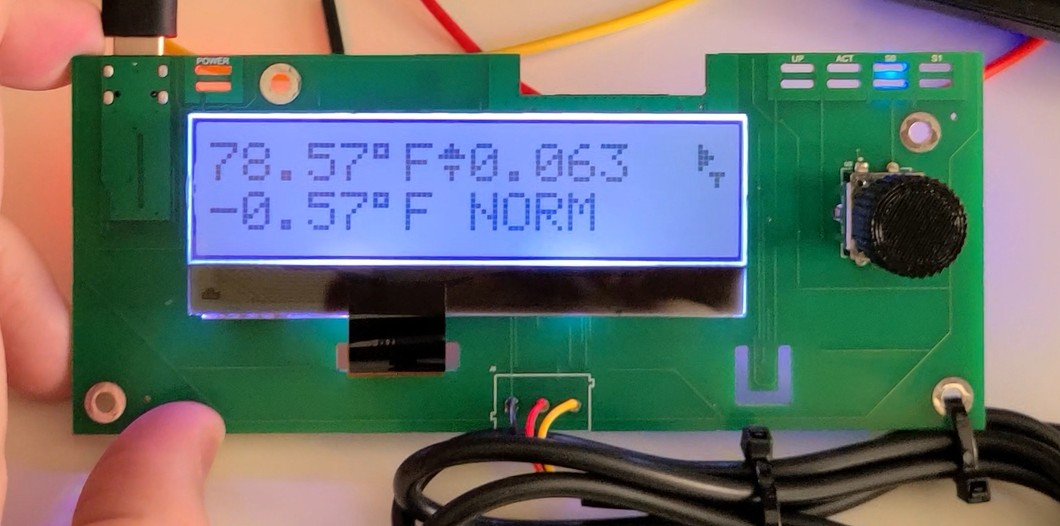
Programmable Interval Timer (PIT)
Initially conceived of in May of 2016, the Programmable Interval Timer (PIT) began as a custom solution for a specific need: a programmable timer with integrated temperature control capabilities. While initially designed for a friend’s unique application, the project evolved into a versatile control system with potential applications in 3D printing and environmental monitoring.
During development, I used the PIT to monitor and control the temperature inside my 3D printer enclosure. While a basic thermometer can handle simple monitoring, the PIT stands out for its advanced features and programmability.
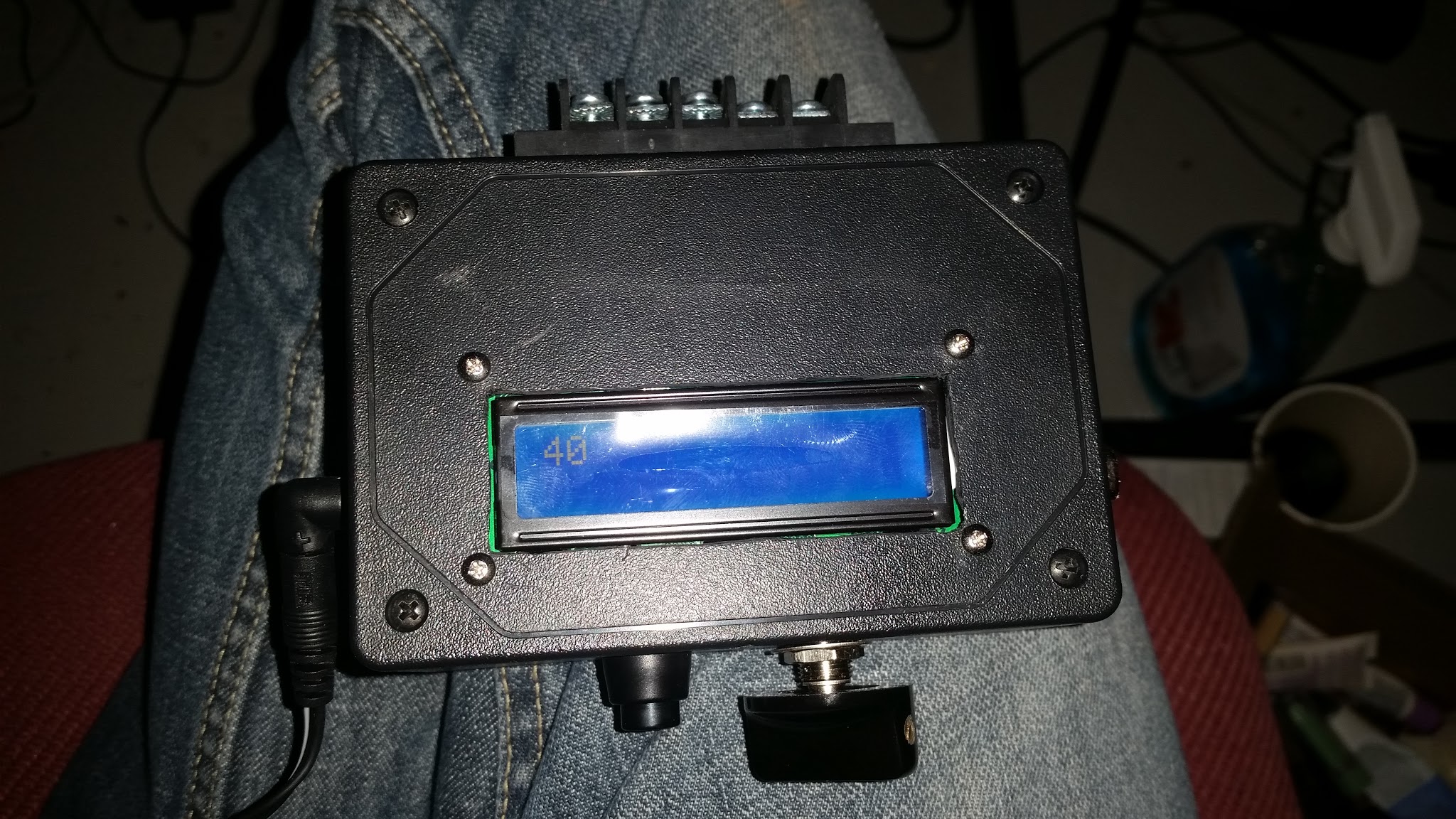
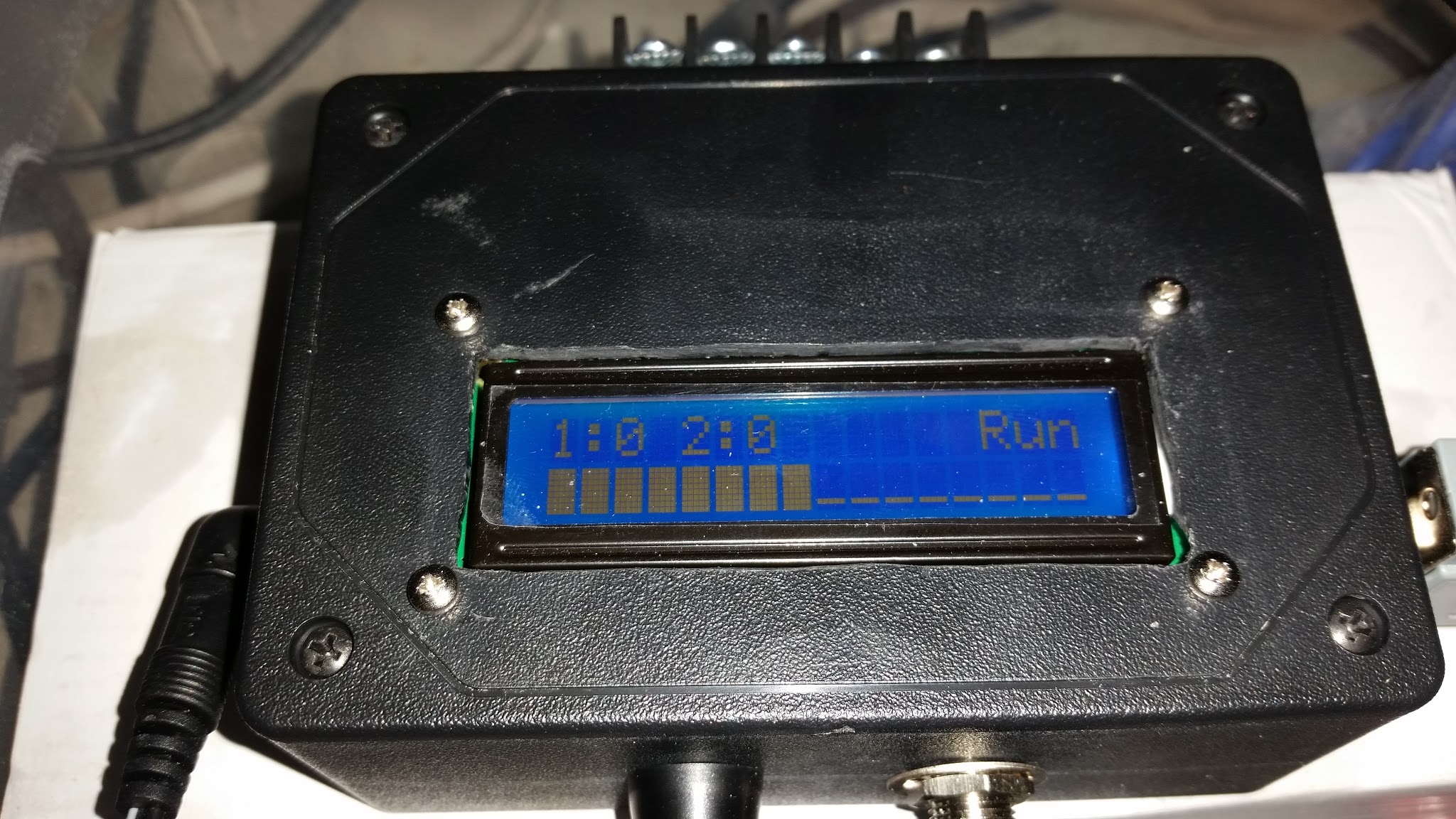
Original Interface
The first version featured a simple but effective user interface:
Version 2.0 Enhancements
The second iteration brought significant improvements:
- Rotary encoder for intuitive control
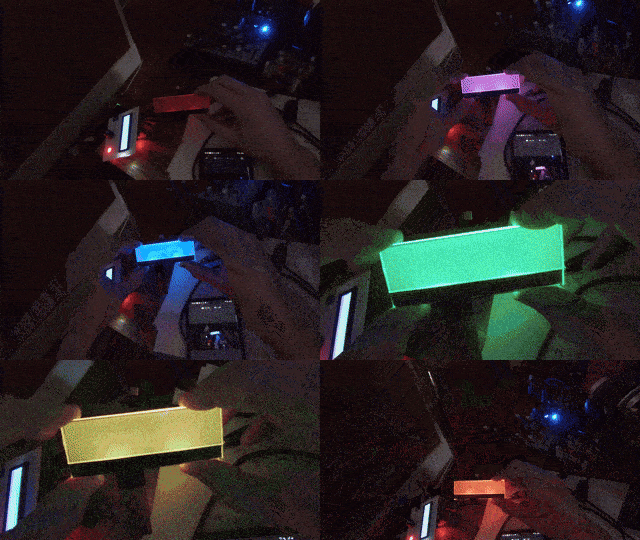
- Color backlit character LCD display
- Integrated temperature sensor with remote sensing
- Proximity detection capabilities
However, this version also taught valuable lessons about hardware development. Several issues emerged during production:
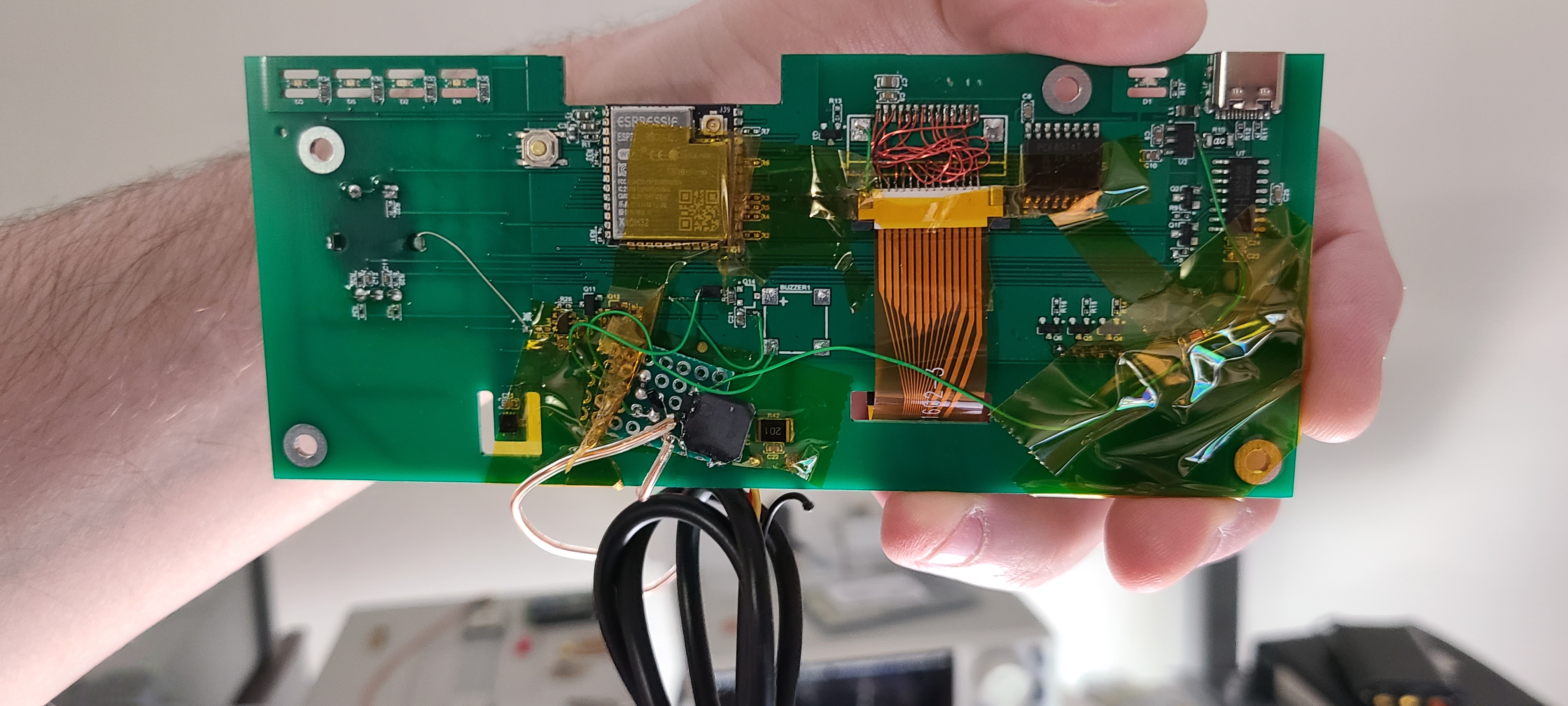
- Incorrect speaker documentation led to compatibility issues
- JLCPCB supplied the wrong ESP32 module and refused to fix their mistake. A reason to do inhouse assembly.
- A reversed connector highlighted the importance of thorough design review
You can download a copy of the schematic here. Please keep in mind this is a WIP.
Here’s a brief video of me playing with the prototype.
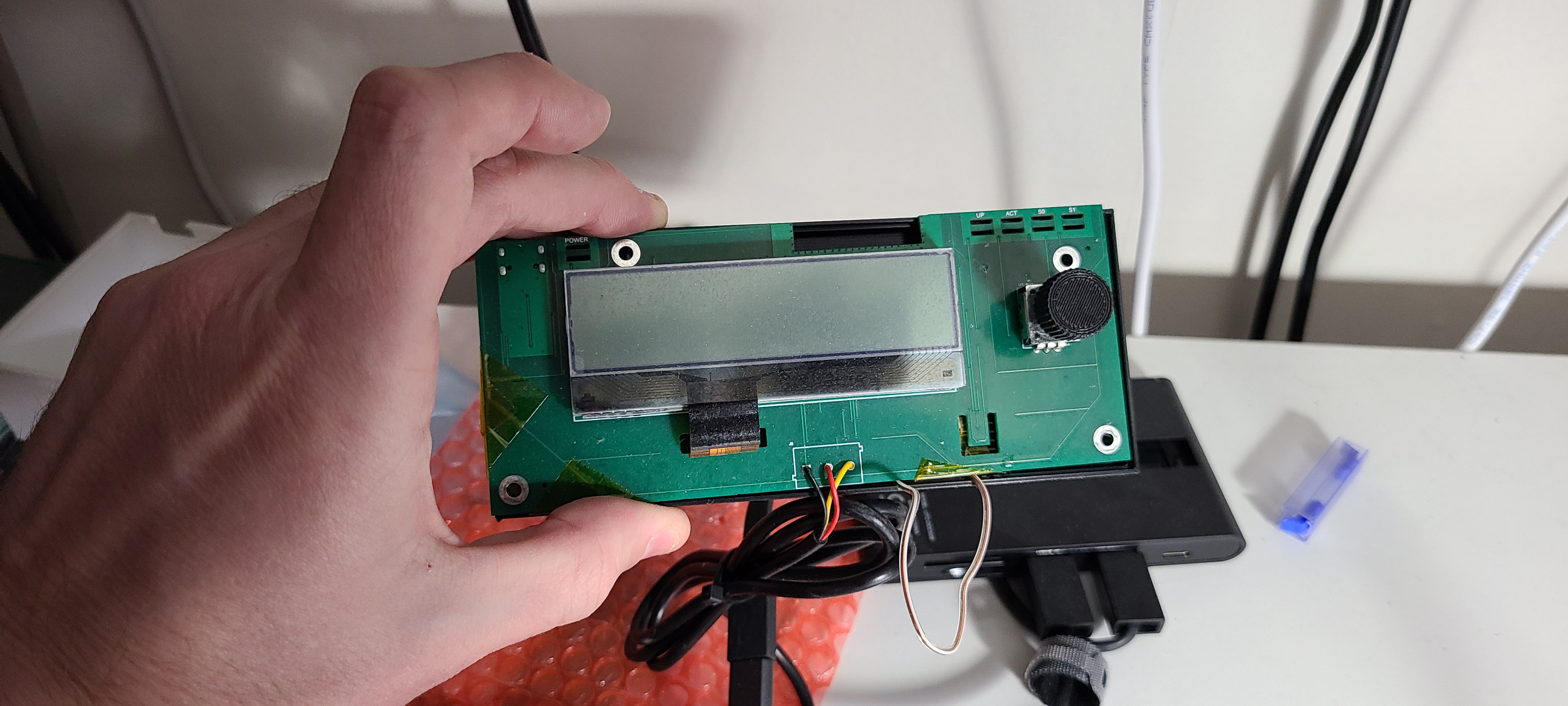
Photos of the board.
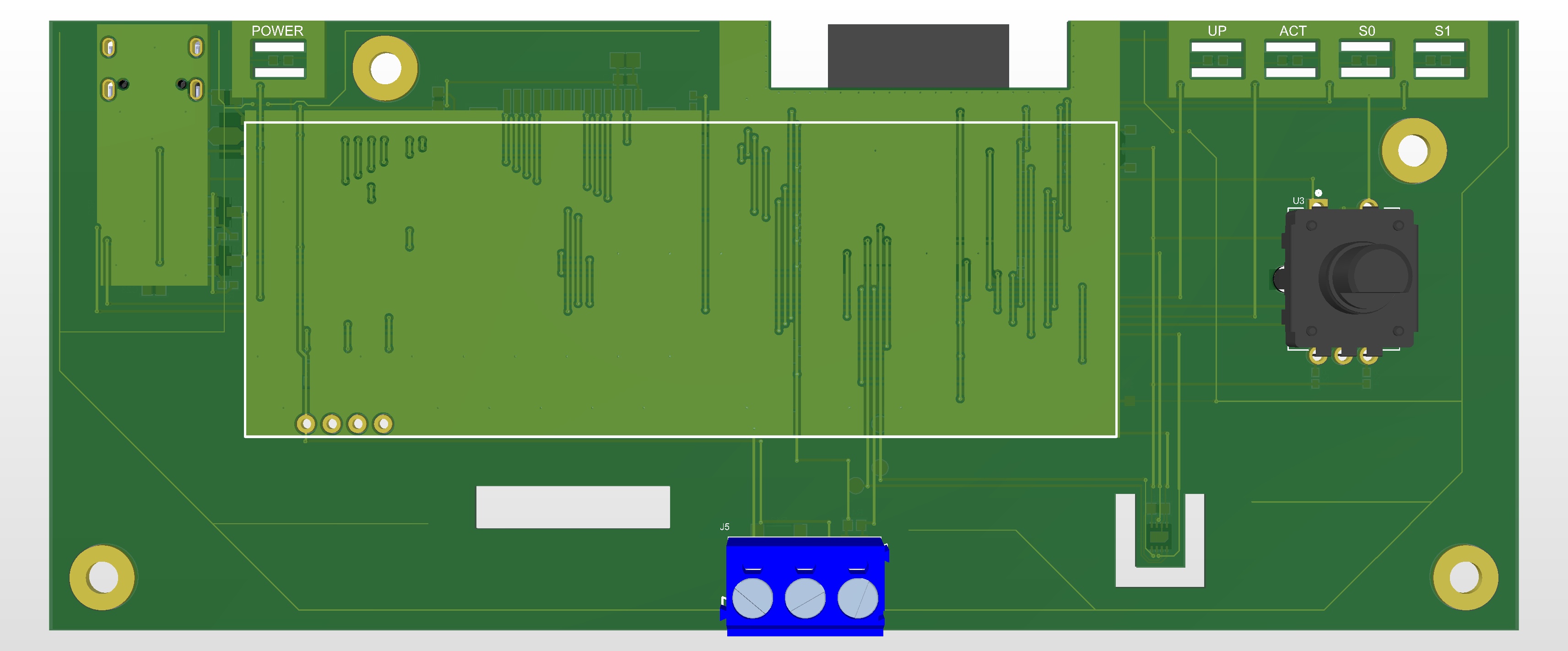
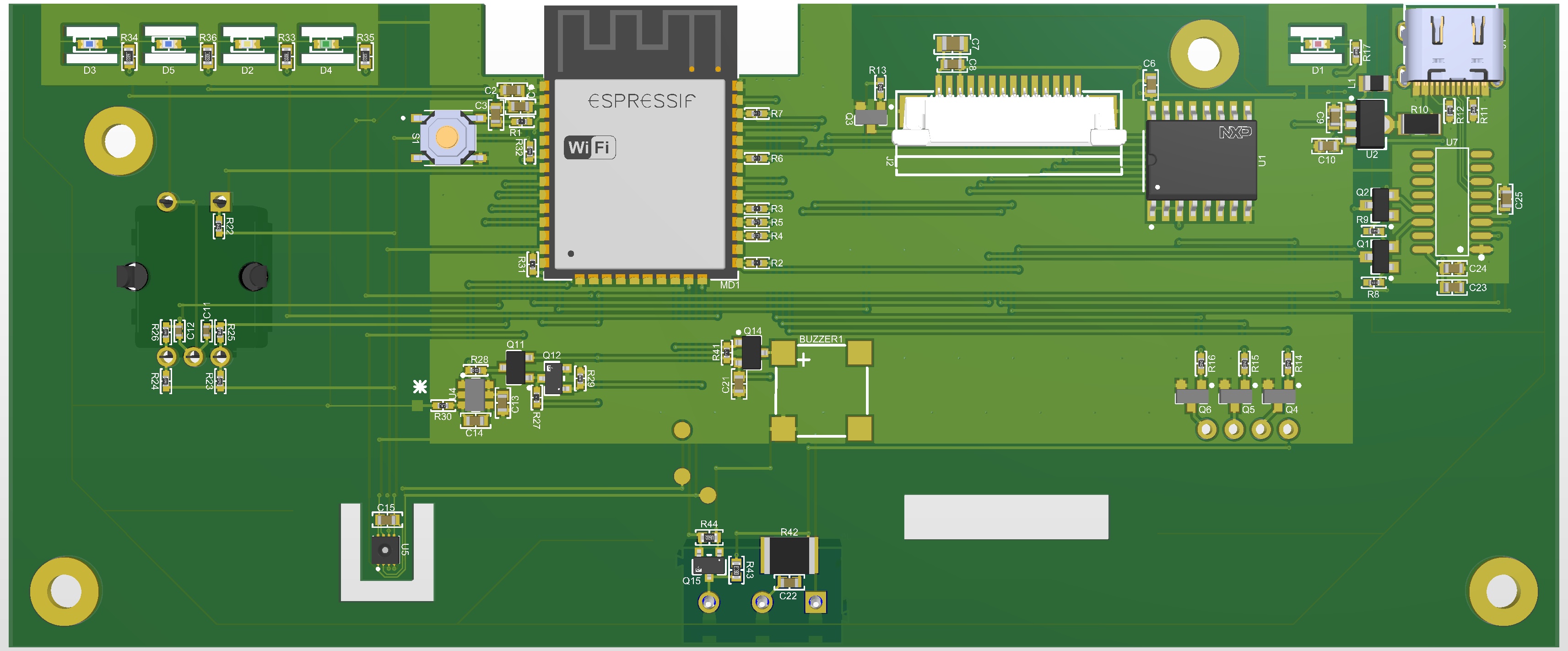
Renders
Backlight Testing
Innovative Solutions
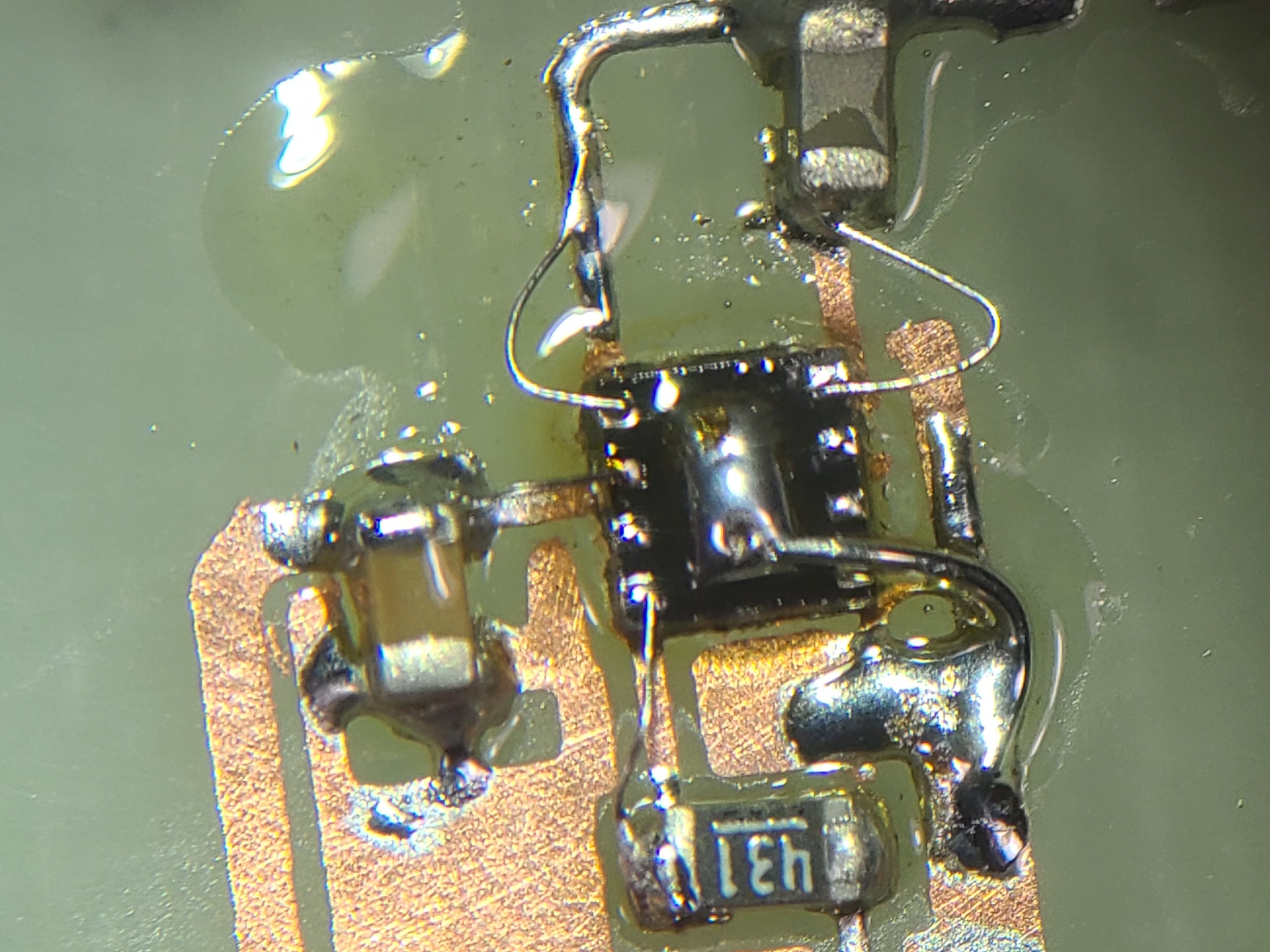
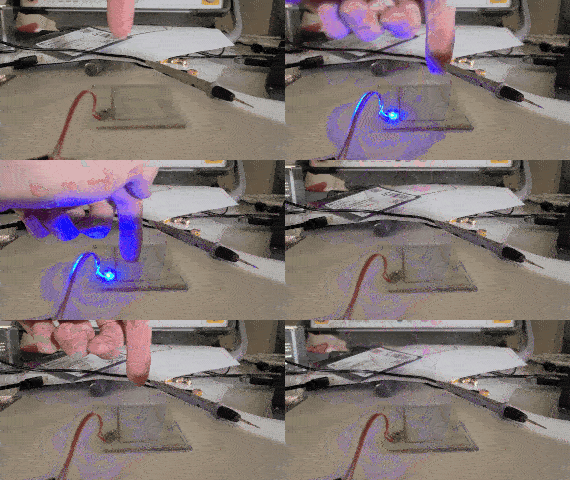
One interesting aspect of this project is the use of a proximity sensor. While it looks cool, the dead bug soldered chip is the result of forgetting to mirror the gerber for the DIY method of PCB fabrication.
While the project is currently on hold, its source code remains available on GitHub for reference and potential future development.